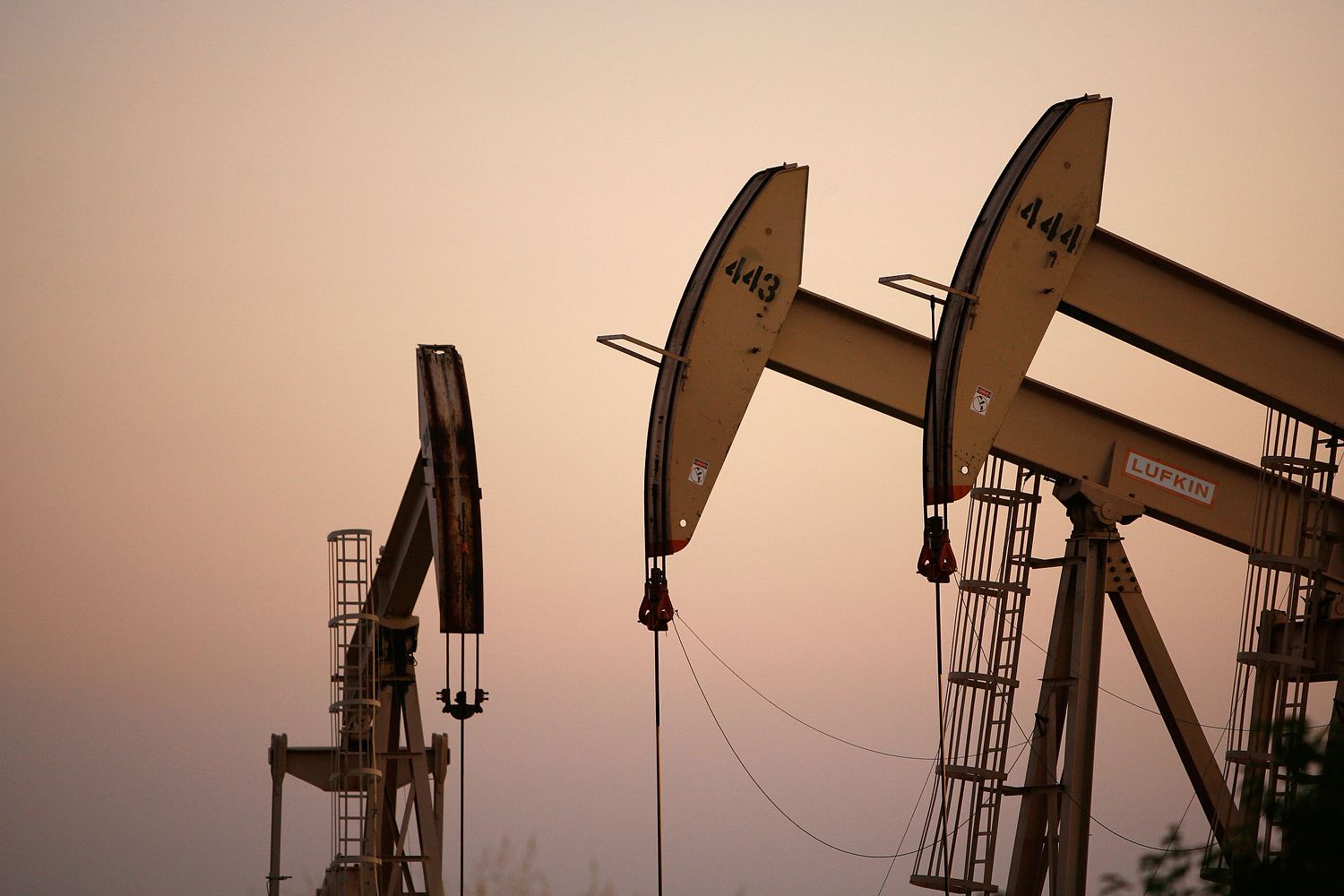
The global economy runs on oil, and its price fluctuations often dominate headlines and impact everything from gas pumps to geopolitical stability. Amidst this backdrop, many investors wonder: "How can I invest in oil?" The good news is that you don't need to purchase an oil rig or even move to the Permian Basin to gain exposure to this powerful commodity. Investing in oil has become remarkably accessible, offering various avenues for beginners and seasoned investors alike.
Whether you're looking to diversify your portfolio, hedge against inflation, or capitalize on energy market trends, understanding the diverse ways to invest in oil is crucial. From straightforward stock purchases to complex futures contracts and unique royalty interests, this comprehensive guide will break down the options, helping you make informed decisions about how to incorporate oil-related investments into your financial strategy.
Understanding the Oil & Gas Value Chain
Before diving into specific investment vehicles, it's essential to grasp the different segments of the oil and gas industry. Each segment presents unique risk-reward profiles and can be targeted through various investment types.
Upstream (Exploration & Production - E&P)
These companies are involved in finding and extracting crude oil and natural gas. Their success is highly dependent on commodity prices and the discovery of new reserves. Examples include ConocoPhillips (COP) and EOG Resources (EOG).
Midstream (Transportation & Storage)
Midstream companies focus on transporting, storing, and processing oil and gas. This typically involves pipelines, storage terminals, and processing plants. They often operate on long-term contracts, making them less sensitive to commodity price swings than E&P companies. Examples include Enterprise Products Partners (EPD) and Williams Companies (WMB).
Downstream (Refining & Marketing)
The downstream sector refines crude oil into usable products like gasoline, diesel, jet fuel, and lubricants, and then markets them to consumers. Profitability here depends on the "crack spread" (the difference between crude oil prices and refined product prices). Phillips 66 (PSX) and Valero Energy (VLO) are prominent examples.
Integrated Majors
Integrated oil companies operate across multiple segments of the value chain – from exploration to refining and marketing. This diversification can provide a degree of stability and resilience. Exxon Mobil (XOM) and Chevron (CVX) are classic examples of integrated majors.
Oilfield Services
These companies provide the equipment, technology, and services necessary for drilling, well completion, and production. Their performance is tied to the capital expenditure plans of E&P companies. Schlumberger (SLB) and Halliburton (HAL) are industry leaders.
Understanding these distinctions helps investors choose the type of exposure they want to gain within the energy sector.
Popular Ways to Invest In Oil for Every Investor
For most individual investors, the most accessible and common ways to invest in oil involve financial instruments traded on public exchanges.
1. Oil Stocks (Individual Equities)
One of the most straightforward ways to gain exposure to the energy sector is by purchasing shares of individual oil and gas companies through any brokerage account. As discussed in the value chain, you can choose to focus on specific segments or opt for integrated majors for broader exposure. Buying individual stocks offers direct participation in a company's performance, potential for capital appreciation, and often, dividend income.
However, it also comes with company-specific risk; an operational mishap or poor management decision at a single company can significantly impact your investment. For beginners, starting with well-established integrated majors like Exxon Mobil (XOM) or Chevron (CVX) can offer a more diversified entry point into the sector. For those seeking higher growth potential or more direct commodity exposure, E&P-focused companies like Occidental Petroleum (OXY) or ConocoPhillips (COP) might be considered, though they carry higher volatility.
2. Energy ETFs & Mutual Funds
Exchange-Traded Funds (ETFs) and mutual funds offer a diversified, lower-maintenance approach to investing in oil. These pooled investment vehicles hold a basket of securities, typically stocks of various oil and gas companies, allowing investors to gain broad exposure without needing to research and select individual stocks. This diversification helps mitigate the company-specific risk associated with individual equities.
Popular energy ETFs include the Energy Select Sector SPDR Fund (XLE), which focuses on large-cap U.S. energy companies, or the Vanguard Energy ETF (VDE), offering a broader cap spectrum. For more concentrated exposure to exploration and production companies, the SPDR S&P Oil & Gas Exploration & Production ETF (XOP) is an option. If you're considering global exposure, the iShares Global Energy ETF (IXC) can be useful. A key advantage of these funds is their liquidity and relative ease of trading, often issuing a simple 1099 tax form.
For a deeper dive into these options, you might find our Beginner's Guide to Oil Investing: Stocks, ETFs & Diversification a valuable resource.
3. Commodity ETPs (Futures-Based)
For investors seeking more direct exposure to crude oil price movements rather than the performance of oil companies, commodity Exchange-Traded Products (ETPs) like the United States Oil Fund (USO) are an option. Unlike equity-based ETFs, these products typically track oil futures contracts. This means their performance is closely tied to the price of oil itself, not just the profitability of oil companies.
It's crucial to understand that commodity ETPs are often structured as commodity pools and issue a Schedule K-1 for tax purposes, which can be more complex than the 1099 received from equity ETFs. Furthermore, the mechanics of futures markets, such as contango and backwardation, can affect returns, especially over longer holding periods. While offering more direct commodity exposure, these products are generally considered more complex and potentially riskier than equity-based funds.
Advanced & Direct Investment Options
Beyond stocks and funds, more sophisticated investors with higher risk tolerance and specialized knowledge can explore direct investment in the oil commodity or physical assets.
4. Oil Futures & Options
Futures contracts are agreements to buy or sell a specific quantity of crude oil at a predetermined price on a future date. Options contracts provide the right, but not the obligation, to buy or sell futures contracts. These are highly leveraged instruments, meaning a small price movement in oil can lead to significant gains or losses. The West Texas Intermediate (WTI) crude contract (CL) on the CME is the world’s most liquid crude contract, with Micro WTI (MCL) offering a smaller contract size for less capital. Brent crude is another global benchmark.
Investing in futures and options offers direct exposure to oil price fluctuations and can be used for speculation or hedging. However, they carry substantial risk due to leverage, volatility, and expiration dates. These instruments are not recommended for beginners and require a thorough understanding of commodity markets, margin requirements, and risk management.
5. Oil Royalties & Mineral Rights
This method involves acquiring an interest in the revenue generated from oil and gas production without bearing the operating costs or liabilities of drilling and extraction. A royalty interest grants you a share of the gross production revenue from a well. Mineral rights, on the other hand, mean owning the actual subsurface minerals beneath a property, giving you the right to explore for and produce them, or lease those rights to an operator in exchange for royalties.
Royalties offer passive income, with cash flow depending on production volumes and realized oil prices. They can provide a unique diversification away from traditional equity markets. However, these investments are typically illiquid, require significant due diligence to assess reserves and production potential, and can be complex to manage. They are usually more suitable for experienced investors seeking alternative assets.
6. Direct Participation / Working Interests
A working interest involves taking a direct, non-operating ownership stake in an oil or gas well under a joint operating agreement. This means you share in the production revenue but also bear a portion of the operational costs and potential liabilities. While it can offer unique tax treatment and a higher degree of direct involvement than royalties, it also introduces significant operational and financial risk, as you are exposed to drilling risks, maintenance costs, and environmental liabilities. This is a highly specialized area typically pursued by sophisticated and accredited investors.
7. Private Placements (Reg D Offerings)
Private placements are offerings from oil and gas operators or specialized funds that are not registered with the SEC and are typically limited to accredited investors (individuals meeting specific net worth or income thresholds, or holding certain professional certifications). These opportunities can provide access to specific drilling projects or specialized energy funds that are not available to the general public. However, they usually involve high minimum investments, are highly illiquid, and carry substantial risk.
Key Considerations Before You Invest In Oil
Before you decide to invest in oil, it’s crucial to consider several factors that influence the energy market and your potential returns.
- Macroeconomic Backdrop: Global oil demand and supply dynamics are paramount. For instance, the IEA projects global oil demand to average around 104.4 million barrels per day (b/d) in 2025, with modest growth. The U.S. EIA forecasts U.S. crude output at an all-time high of ~13.4 million b/d in 2025, even as prices might soften due to supply growth. This means fundamentals are balanced to potentially loose, favoring low-cost producers and companies with disciplined capital allocation.
- Company Quality: For equity investments, analyze a company’s balance sheet strength, cost structure, capital allocation strategies, and dividend policies. High-quality companies are better positioned to weather price volatility and deliver consistent returns through dividends and share buybacks.
- Risk Tolerance & Diversification: Oil investments can be volatile due to geopolitical events, economic shifts, and supply disruptions. While energy can be a valuable diversifier in a balanced portfolio, it's generally not advisable to over-allocate. Assess your personal risk tolerance before committing to oil-related assets.
- Tax Implications: Be aware of the tax treatment for different investment vehicles. As mentioned, equity ETFs typically issue 1099s, while commodity ETPs and some direct investments may issue Schedule K-1s, which can add complexity to tax filings.
- Investment Horizon: Are you looking for short-term speculative gains or long-term portfolio diversification and income? Your objective will dictate the most appropriate investment method.
For more detailed insights into the market outlook and top companies, refer to our article on Oil & Gas Investing in 2025: Macro Trends & Top Companies.
Conclusion
Investing in oil doesn't require you to be an industry mogul or have deep pockets for a drilling operation. From easily accessible stocks and diversified ETFs to more advanced options like futures or royalty interests, there's a pathway for nearly every investor to gain exposure to this critical global commodity. Whether you aim for long-term growth, passive income, or a hedge against inflation, understanding the unique characteristics, risks, and benefits of each investment method is paramount. By carefully considering your financial goals, risk tolerance, and the broader market landscape, you can strategically invest in oil and potentially harness the power of this enduring sector in your portfolio.